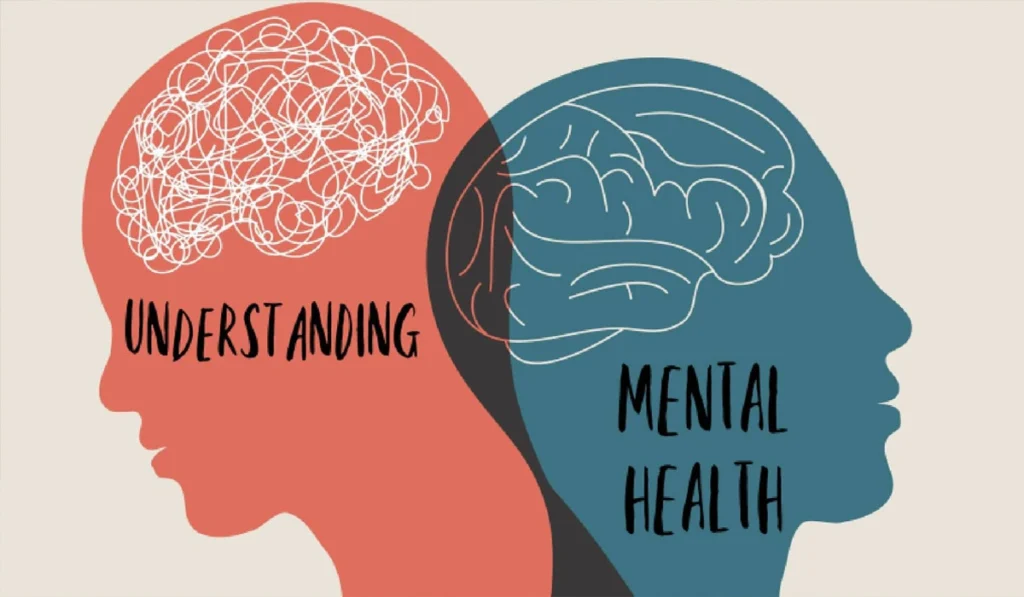

Mental health has gradually shifted from a topic of stigma to one of increasing awareness and importance in today’s society.
Awareness campaigns, social media discussions, and public health initiatives have collectively contributed to this shift, providing individuals with the knowledge and language to express their experiences and seek help when necessary.
Below is Physically And Mentally Healthy the most effective Understanding Mental Health in Today’s World
The Evolving of Mental Health
Mental health has long been a topic shrouded in misunderstanding and stigma. In earlier decades, psychological conditions were often overlooked, dismissed as personal weaknesses, or attributed to moral failings.
However, society’s perception of mental health has evolved significantly over recent years. Scientific advancements and increased awareness campaigns have helped society recognize that mental health is as crucial as physical health.
Today, understanding mental health is not only about acknowledging the presence of conditions such as depression, anxiety, or bipolar disorder but also about recognizing the subtle ways in which stress, trauma, and societal pressures affect emotional well-being.
This shift from ignorance to awareness has allowed more individuals to seek professional help without fear of judgment. Thereby fostering a culture where psychological wellness is seen as an essential aspect of daily life.
Improving Mental Health
Despite growing awareness, the prevalence of mental health challenges has surged globally, particularly in the past decade. Rapid urbanization, technological advancements, and increasing work demands have contributed to heightened stress levels, often affecting both young and adult populations.
Social media, while connecting people, has also introduced new forms of social comparison and cyberbullying, which can exacerbate feelings of inadequacy and loneliness.
Moreover, the COVID-19 pandemic revealed how sudden societal disruptions can impact mental health on a massive scale, leading to spikes in anxiety, depression, and post-traumatic stress.
The global rise in mental health conditions highlights the importance of not only treating symptoms but also addressing the underlying societal factors that contribute to psychological strain.
Baca Juga: Achieving Physically Fit and Mentally Strong Lives Daily
Mental Health Impact
Mental health does not exist in a vacuum it is deeply influenced by cultural, social, and economic factors. Cultural norms can either support or hinder mental well-being, depending on how psychological issues are perceived.
In some communities, mental health struggles may be seen as a source of shame. Leading individuals to suppress their emotions and avoid seeking help.
Economic disparities further compound these challenges, as financial instability and lack of access to mental health services exacerbate stress and anxiety.
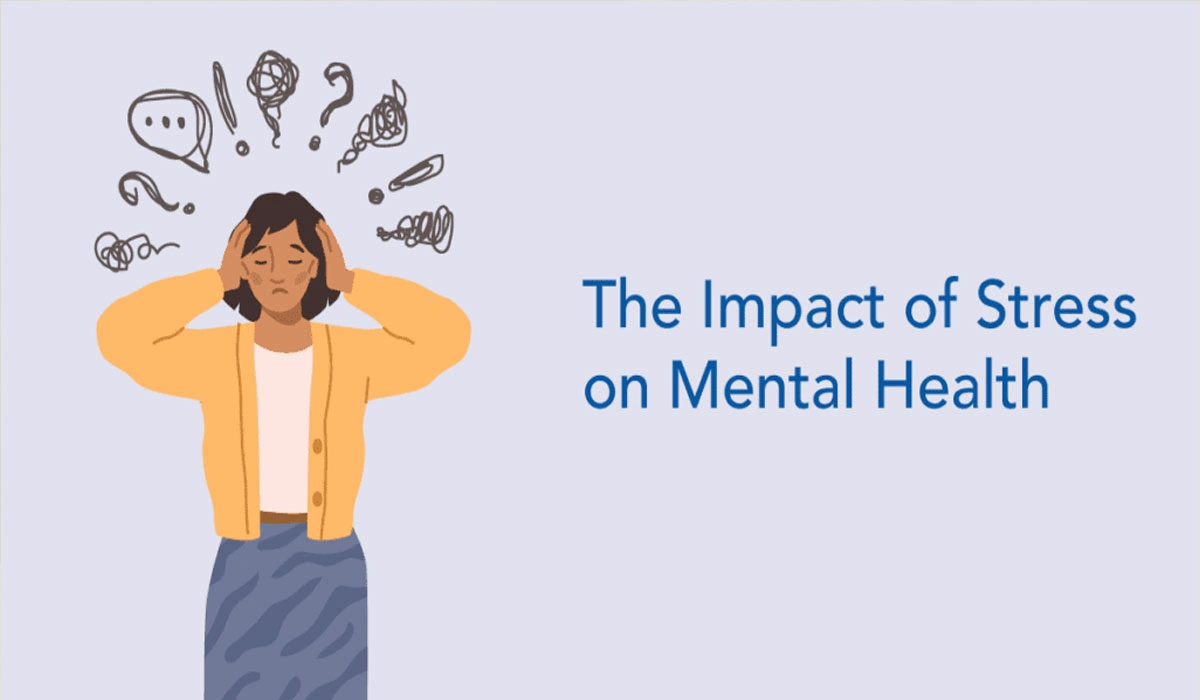
Additionally, societal pressures such as academic expectations, career competition, and social conformity can create chronic stress, which affects mental stability over time.
Recognizing these influences is vital for developing effective mental health policies. As treatment and awareness initiatives must consider the social context in which individuals live.
Pathways To A Mentally Healthy Future
Creating a world where mental health is prioritized requires a multi-faceted approach that combines individual, community, and systemic efforts.
On a personal level, practices such as mindfulness, exercise, and nurturing supportive relationships can enhance emotional resilience.
Communities can foster mental wellness by promoting open conversations. Reducing stigma, and providing accessible support systems.
At the systemic level, governments and organizations must invest in mental health infrastructure, ensure affordability of care. And implement preventive measures that address societal stressors.
Technology also offers innovative solutions, from teletherapy to mental health apps, making support more accessible than ever. The future of mental health depends on collective action. Where society values psychological well-being as an integral part of overall health.
By embracing this perspective, individuals and communities can thrive emotionally, socially, and professionally. Creating a more compassionate and understanding world.
In conclusion, mental health in today’s world is a complex and multifaceted issue that intersects with biology, psychology, culture, and society.
Increased awareness and scientific understanding have helped destigmatize mental health challenges. But the global prevalence of psychological conditions underscores the urgency of proactive intervention.
By addressing both personal and societal factors, providing early support, and fostering inclusive communities. We can build a future where mental health is recognized, nurtured, and protected.
Understanding mental health is no longer optional it is essential for living a balanced and fulfilling life in an increasingly complex world.