Maintaining mental health is essential for overall well-being, productivity, and happiness, life’s daily stresses, work pressures.
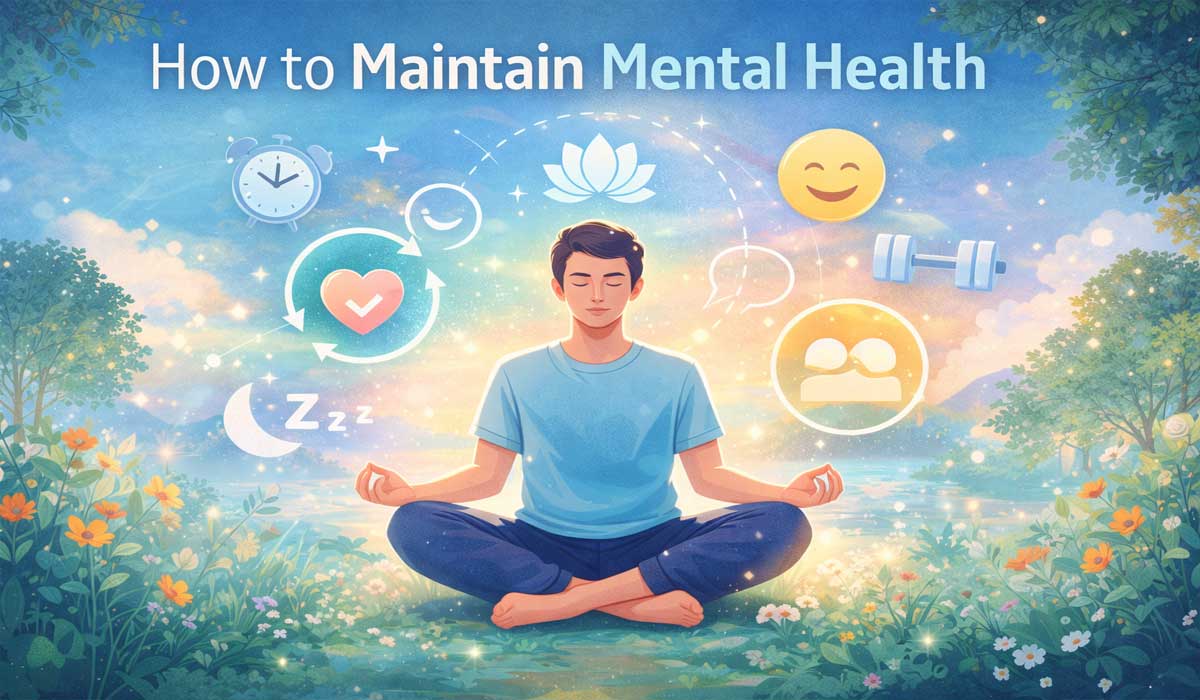
Mental health requires proactive care, healthy habits, and self-awareness. By adopting practical strategies, individuals can strengthen resilience, reduce stress, and promote emotional balance. Understanding key approaches to support mental health can help people lead more fulfilling, balanced, and emotionally stable lives.
Establish a Consistent Routine
A consistent daily routine supports mental stability by creating structure and predictability. Simple habits like waking up, eating, working, and sleeping at regular times can reduce stress and provide a sense of control. This consistency helps regulate mood and energy levels, making daily challenges easier to manage.
Including small, meaningful activities in your routine, such as hobbies, exercise, or meditation, can also improve mental health. Predictable routines reduce uncertainty and foster a sense of accomplishment, promoting emotional well-being over time.
Prioritize Physical Health
Physical health is closely linked to mental health. Regular exercise releases endorphins, which improve mood and reduce anxiety. Eating a balanced diet with adequate nutrients supports brain function, concentration, and emotional regulation.
Adequate sleep is equally important. Sleep deprivation can negatively impact mood, memory, and decision-making. Maintaining physical health through proper diet, exercise, and rest strengthens mental resilience and helps prevent emotional burnout.
Manage Stress Effectively
Stress is a normal part of life, but chronic stress can harm mental health. Identifying stress triggers and developing coping strategies is essential. Techniques like deep breathing, mindfulness, and progressive muscle relaxation can reduce anxiety and increase calmness.
Time management is also crucial in reducing stress. Breaking tasks into smaller steps, setting realistic goals, and prioritizing responsibilities can prevent feeling overwhelmed. Effective stress management enhances mental clarity and emotional stability.
Read Also: Glow Inside Out,Simple Ways to Keep Your Skin and Mind Healthy
Foster Healthy Relationships

Strong social connections are vital for mental well-being. Supportive friends, family, or colleagues provide encouragement, advice, and companionship, helping individuals navigate challenges more effectively. Positive relationships reduce feelings of isolation and boost emotional resilience.
Engaging in open communication and setting healthy boundaries contributes to stronger, more balanced relationships. Surrounding yourself with people who uplift and inspire promotes a sense of belonging, enhancing both mental and emotional health.
Seek Professional Help When Needed
Mental health professionals, including therapists, counselors, and psychologists, provide guidance, support, and treatment for emotional challenges. Seeking help early prevents issues from escalating and promotes recovery. Professional support is not a sign of weakness but a proactive step toward wellness.
Regular check-ins or therapy sessions can help identify patterns, develop coping strategies, and maintain emotional balance. Combining professional support with daily healthy habits ensures comprehensive care for long-term mental health.
Maintaining mental health requires consistent effort, self-awareness, and proactive care. Establishing routines, prioritizing physical health, managing stress, nurturing relationships, and seeking professional help are key strategies. By implementing these practices, individuals can improve resilience, emotional stability, and overall well-being, leading to a more balanced and fulfilling life.
Image source
- First Image: dcmcc.com
- Second Image: lifestylemedicine.stanford.edu