Discover mental health secrets and practical strategies to improve emotional well-being, reduce stress, and live a happy, balanced life.
Mental health is the foundation of overall well-being, yet it’s often overlooked in our busy lives. Maintaining emotional balance and resilience requires deliberate effort, self-awareness, and practical strategies. By understanding effective approaches to mental health, individuals can reduce stress, improve mood, and develop habits that support a happier, more fulfilling life.
Below, Physically And Mentally Healthy will discuss five proven strategies for strengthening mental health and improving your daily emotional experience.
Practice Mindfulness and Meditation
Mindfulness and meditation are powerful tools for improving mental health. These practices help you focus on the present moment, reduce stress, and increase self-awareness. By dedicating just a few minutes each day to mindful breathing or guided meditation, you can significantly decrease feelings of anxiety and overwhelm.
Regular mindfulness practice rewires the brain to respond more calmly to stress. It encourages a non-judgmental awareness of thoughts and emotions, allowing you to navigate challenges without becoming overwhelmed. Apps, online sessions, or local classes can guide beginners in establishing a consistent routine.
Prioritize Physical Health
Physical health and mental well-being are closely interconnected. Regular exercise releases endorphins, which naturally elevate mood and reduce stress. Even moderate activities like walking, yoga, or cycling can improve energy levels and enhance emotional stability.
Nutrition also plays a vital role in mental health. A diet rich in fruits, vegetables, lean proteins, and omega-3 fatty acids supports brain function and reduces the risk of mood disorders. Staying hydrated and limiting processed foods and sugar helps maintain consistent energy and mental clarity throughout the day.
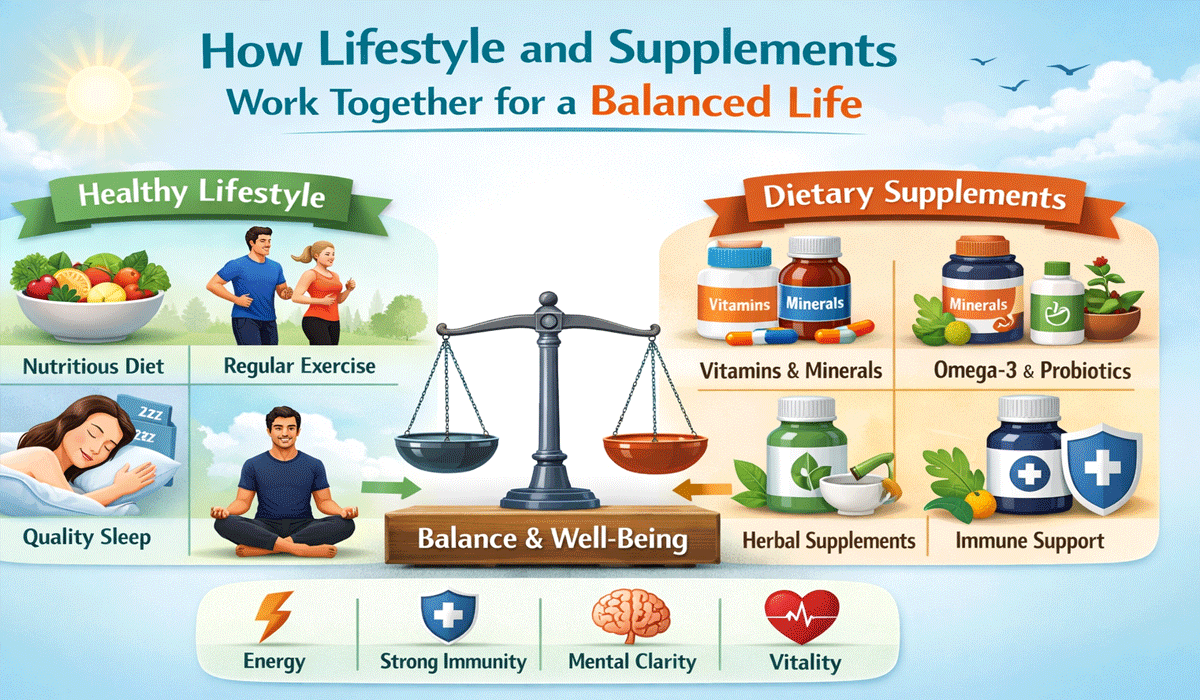
Also Read: How Lifestyle and Supplements Work Together for a Balanced Life
Build Strong Social Connections

Human beings are inherently social, and supportive relationships are essential for mental health. Strong connections with family, friends, or community members provide emotional support, reduce feelings of isolation, and increase life satisfaction.
Engaging in meaningful conversations, participating in group activities, or volunteering can strengthen social bonds. Even small gestures like regular check-ins with loved ones can make a significant difference in emotional well-being. Additionally, cultivating empathy and active listening skills enhances relationship quality.
Develop Healthy Coping Mechanisms
Effective coping mechanisms help manage stress and navigate difficult emotions. Instead of relying on unhealthy habits like overeating or excessive screen time, explore constructive strategies such as journaling, creative expression, or deep-breathing exercises.
Identifying triggers and practicing proactive coping allows you to respond to challenges calmly. Techniques like problem-solving, setting realistic goals, and breaking tasks into manageable steps reduce feelings of overwhelm. Incorporating hobbies and activities that bring joy or relaxation also strengthens emotional resilience.
Seek Professional Support When Needed
Recognizing when to seek professional help is crucial for maintaining mental health. Therapists, counselors, or psychiatrists provide guidance, strategies, and support to manage mental health challenges effectively.
Therapy sessions offer a safe environment to explore emotions, develop coping skills, and address underlying issues contributing to stress or anxiety. In some cases, medication may be recommended alongside therapy to achieve optimal mental wellness.
Conclusion
Mental health is a dynamic aspect of overall well-being that requires intentional care. By practicing mindfulness, prioritizing physical health, nurturing social connections, developing healthy coping mechanisms, and seeking professional support when necessary.
Individuals can significantly enhance their emotional resilience and overall happiness. Implementing these strategies consistently creates a foundation for a balanced, fulfilling life. Remember, small daily efforts can lead to profound, lasting improvements in mental health and overall life satisfaction.
Image Source:
First Image from: www.dusa.org.au
Second Image from: horizons.service.canada.ca