Social media has become an inseparable part of young people’s daily lives, shaping how they communicate, learn, and express themselves.
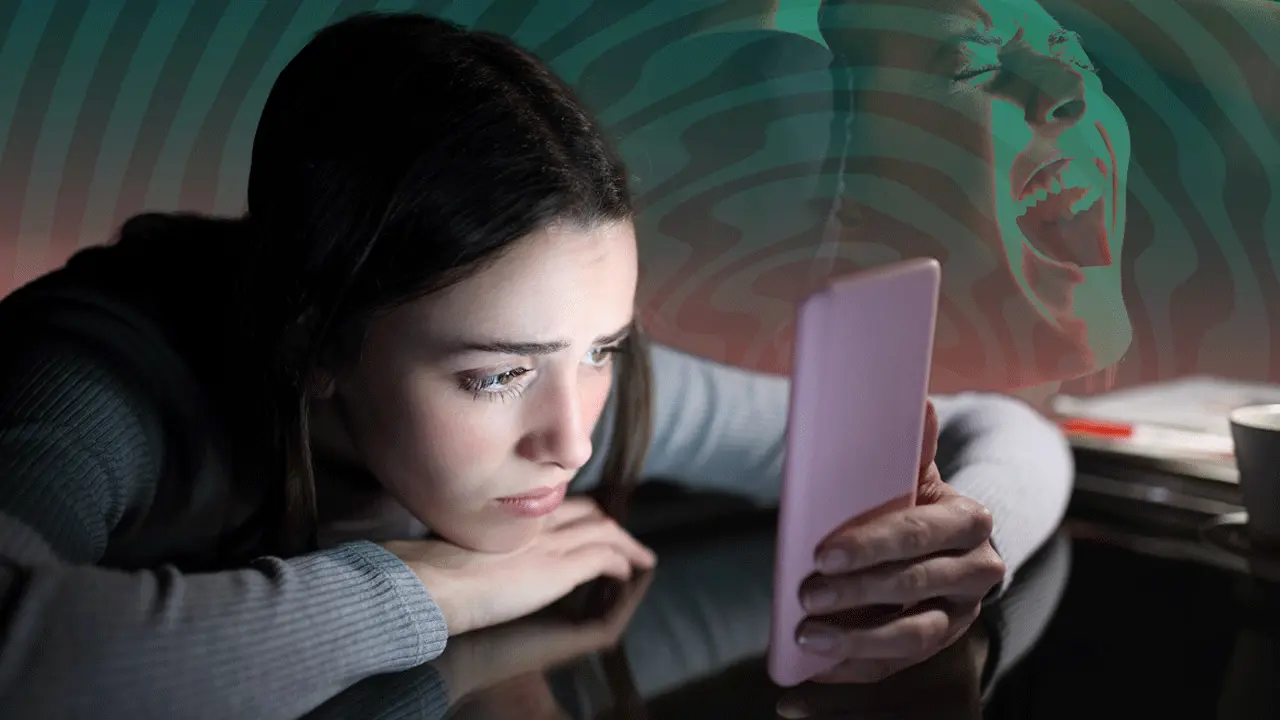
Platforms designed for connection, entertainment, and self-expression now influence how teenagers think, communicate, and see themselves. While social media offers many benefits, it also presents challenges that can significantly affect youth mental health. Understanding both the positive and negative impacts is essential for creating healthier digital habits and supporting emotional well-being among young users.
Below, you can find the latest information about Physically And Mentally Healthy.
Increased Anxiety And Depression
One of the most discussed effects of social media on youth is the rise in anxiety and depression symptoms. Constant exposure to carefully curated images and highlight reels can create unrealistic expectations about life, appearance, and success. Young people may compare themselves to others and feel inadequate when their own lives do not seem as exciting or perfect.
This comparison culture often leads to low self-esteem. When validation becomes tied to likes, comments, and followers, self-worth may fluctuate depending on online engagement. Over time, this external validation system can increase feelings of insecurity and emotional instability.
Moreover, cyberbullying has intensified with social media use. Hurtful comments, rumors, or online harassment can spread quickly and reach a wide audience. Victims may experience stress, fear, and social withdrawal, which can contribute to anxiety and depressive disorders.
Sleep Disruption And Emotional Regulation
Social media use often extends late into the night, especially among teenagers. Scrolling through feeds, watching short videos, or chatting with friends can delay bedtime and reduce sleep quality. Poor sleep is closely linked to mood swings, irritability, and difficulty concentrating.
Blue light exposure from screens can also interfere with the body’s natural sleep cycle. When young people sacrifice rest for online activity, their emotional regulation becomes weaker. They may react more intensely to stress or struggle to manage daily challenges.
Sleep deprivation combined with digital overstimulation creates a cycle of exhaustion and emotional vulnerability. Over time, this pattern can increase susceptibility to mental health problems and reduce overall well-being.
Read Also: Glow From Within, The Powerful Link Between Your Mind and Your Skin
Social Comparison And Body Image Issues

Social media platforms often emphasize physical appearance through photos and videos. Filters, editing tools, and beauty trends can distort reality and promote unattainable standards. Young users, especially adolescents, may internalize these ideals and feel dissatisfied with their bodies.
Repeated exposure to idealized images can contribute to body image concerns and eating disorders. Teens may believe they must look a certain way to gain acceptance or popularity. This pressure can significantly impact self-confidence and mental stability.
Additionally, influencer culture can shape lifestyle expectations. Seeing peers or public figures constantly achieving milestones may create a sense of falling behind. This comparison can lead to chronic stress and feelings of inadequacy.
Positive Effects Of Social Media
Despite its challenges, social media is not entirely harmful. It can provide meaningful connections, especially for young people who feel isolated in their offline environments. Online communities often offer support, shared experiences, and a sense of belonging.
For marginalized youth, digital spaces may become safe environments to explore identity and find encouragement. Mental health awareness campaigns on social media also help reduce stigma and promote open conversations about emotional struggles.
Creative expression is another positive aspect. Many young users use social media to share art, music, writing, or personal achievements. This expression can boost confidence and provide a constructive outlet for emotions.
Building Healthy Digital Habits
Promoting balanced social media use is essential for protecting youth mental health. Setting time limits and encouraging regular digital breaks can reduce overstimulation and improve sleep patterns. Families and educators play a crucial role in modeling healthy screen behavior.
Open communication is equally important. Parents and teachers should create safe spaces for young people to discuss online experiences without fear of judgment. Talking openly about cyberbullying, comparison, and digital pressure can empower teens to seek help when needed.
Teaching digital literacy also helps youth critically evaluate online content. When young people understand that social media often presents edited and selective realities, they are less likely to internalize harmful comparisons.
Conclusion
Social media has a powerful influence on youth mental health, bringing both risks and opportunities. Anxiety, sleep disruption, and social comparison are significant concerns, but positive connections and creative expression also exist.
By encouraging healthy habits, open communication, and digital awareness, society can help young people navigate social media in ways that support rather than harm their mental well-being.
Image Source:
- First Image from: https://www.yahoo.com/
- Second Image from: https://theparentswebsite.com.au/