Stress and anxiety are common challenges in modern life, affecting mental health, productivity, relationships, and overall well-being every single day.
Between work, family, and daily responsibilities, it’s easy to feel overwhelmed. While occasional stress is natural, prolonged anxiety can affect both mental and physical health.
Learning effective ways to reduce stress and anxiety can improve overall wellbeing, help you think clearly, and maintain balance in everyday life. This Physically And Mentally Healthy article explores practical strategies that are simple to implement and proven to be effective.
Practice Mindfulness and Meditation
Mindfulness and meditation are powerful tools to calm the mind and reduce anxiety. They help you focus on the present moment and break the cycle of overthinking that often triggers stress. Spending even a few minutes each day practicing mindfulness can significantly improve mental clarity and emotional resilience.
Daily Mindfulness Exercises
Incorporating short mindfulness exercises into your daily routine can reduce tension. Activities such as focusing on your breath, observing your surroundings, or doing a body scan help bring attention to the present moment. Even 10 minutes of mindfulness can decrease cortisol levels, the hormone responsible for stress.
Guided Meditation and Apps
Using guided meditation apps or online sessions is a convenient way to start practicing meditation. These resources provide structured exercises, helping beginners stay focused and consistent. Regular practice improves your ability to manage stressful situations without feeling overwhelmed.
Maintain a Healthy Lifestyle
A healthy lifestyle plays a crucial role in reducing stress and anxiety. Eating well, exercising regularly, and getting enough sleep contribute to better emotional stability and energy levels. Making small adjustments in daily habits can have a lasting impact on mental health.
Regular Physical Activity
Exercise is one of the most effective natural ways to reduce stress. Activities like walking, jogging, yoga, or even stretching release endorphins, which act as natural mood enhancers. Consistency is key, as regular physical activity improves sleep quality and overall mental wellbeing.
Balanced Diet and Hydration
Nutrition directly affects brain function and mood. Consuming a balanced diet rich in fruits, vegetables, whole grains, and lean proteins helps maintain stable energy and emotional levels. Staying hydrated is equally important, as dehydration can increase feelings of anxiety and irritability.
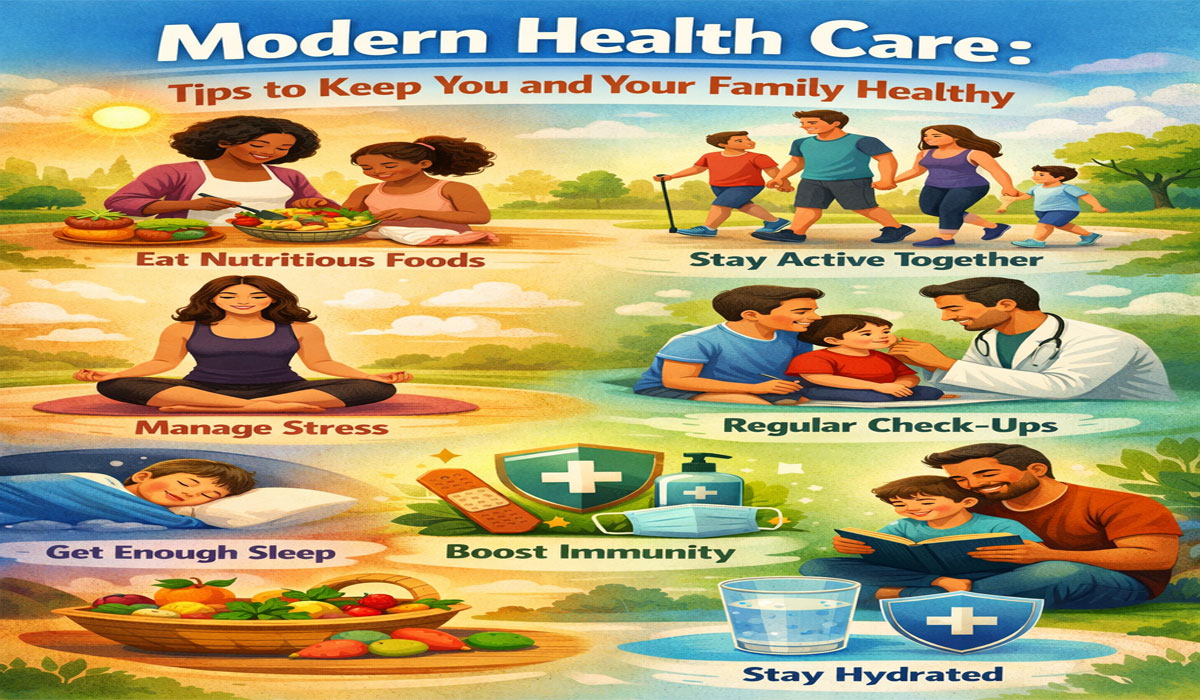
Read Also: Modern Health Care: Tips to Keep You and Your Family Healthy
Develop Positive Coping Strategies
Learning how to respond to stress effectively is essential for long-term anxiety management. Positive coping strategies empower you to handle challenges without letting them overwhelm you.
Journaling and Reflection
Writing down your thoughts and feelings can help process emotions and identify stress triggers. Journaling allows for reflection, self-awareness, and mental clarity. This simple habit can reduce mental clutter and make stressful situations feel more manageable.
Build a Support Network
Talking to friends, family, or mental health professionals provides emotional support and perspective. Sharing your experiences helps reduce feelings of isolation and fosters resilience. Engaging with a supportive community strengthens your ability to cope with stress effectively.
Conclusion
Reducing stress and anxiety is achievable through consistent practice and healthy habits. Mindfulness and meditation help calm the mind, while regular exercise, balanced nutrition, and adequate sleep support emotional stability. Additionally, positive coping strategies such as journaling and seeking support from others empower you to handle stress in a constructive way.
By implementing these strategies into your daily routine, you can create a calmer, more focused mindset, improve overall mental health, and maintain balance in life. Small steps practiced consistently can make a significant difference in reducing stress and promoting long-term wellbeing.