In today’s fast-paced world, choosing the right medical center for your family is one of the most important healthcare decisions you can make.
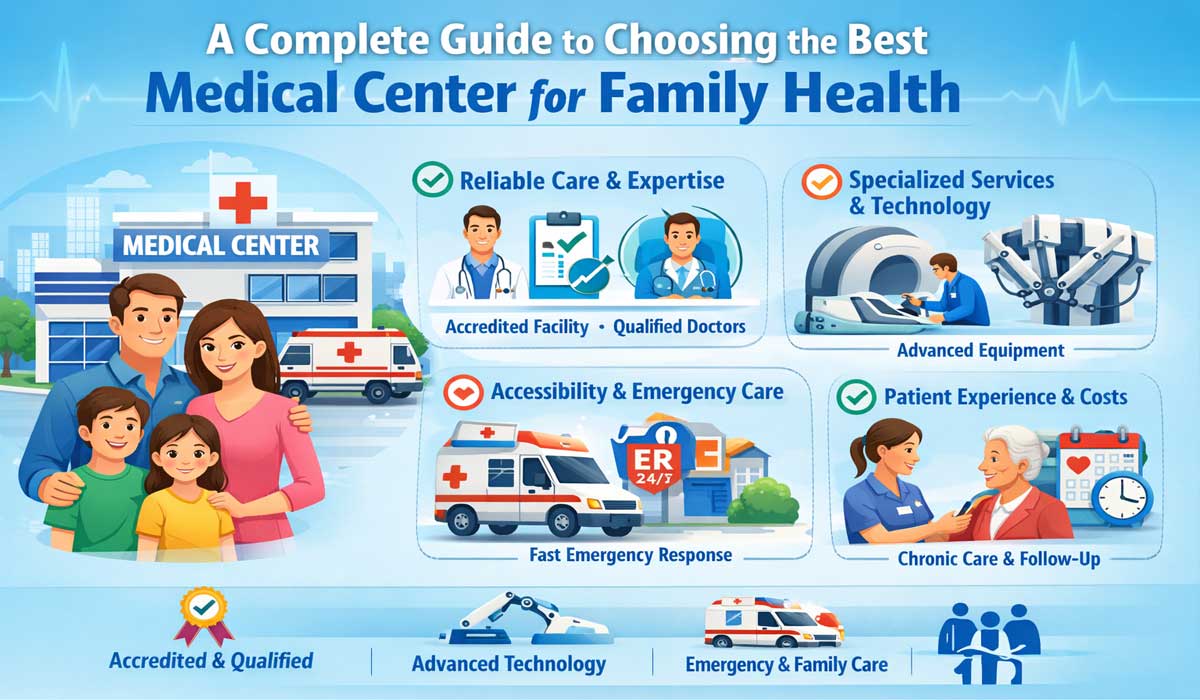
A reliable facility not only provides treatment when illness occurs but also plays a key role in preventive care, long-term wellness, and emergency response.
With numerous hospitals and clinics available, understanding what to look for ensures that your loved ones receive safe, effective, and compassionate medical care whenever needed in everyday life.
Understanding the Importance of a Reliable Medical Center
A dependable medical center serves as the foundation of a family’s health security. It is not just a place for treatment but a hub for prevention, diagnosis, and continuous care. Families benefit from having access to qualified professionals who can respond quickly to various health conditions. Moreover, consistent care builds trust between patients and healthcare providers, improving treatment outcomes and ensuring better long-term health management, especially during health emergencies and routine preventive checkups.
Choosing a reputable facility also ensures that patients receive standardized procedures and evidence-based treatments. Medical centers with strong reputations tend to invest in staff training and advanced equipment, which directly impacts the quality of care. Additionally, such centers often collaborate with specialists, allowing patients to receive comprehensive care under one roof, reducing delays and improving recovery times. These institutions also tend to maintain strict hygiene protocols and continuous quality improvement programs.
Key Factors to Evaluate When Selecting a Facility
When selecting a medical center, accreditation and licensing should be among the first considerations. These credentials indicate that the facility meets established healthcare standards and regulations. Additionally, reviewing the qualifications of doctors and nursing staff can provide insight into the level of expertise available. A well-qualified team is essential for accurate diagnosis and effective treatment planning. Additionally, patient reviews and accreditation bodies can help validate their credibility before making a final decision.
Another important factor is the range of services offered. A comprehensive medical center should provide primary care, diagnostic services, and specialized treatments. It is also beneficial to choose a facility that integrates digital health records, as this improves coordination among departments and reduces the likelihood of medical errors. Facilities that offer integrated electronic medical records and telemedicine services further enhance efficiency and patient convenience in modern healthcare systems especially for large hospital networks.
The Role of Specializations and Medical Technology
Modern healthcare relies heavily on specialization, making it important to choose a medical center that offers a wide range of specialized departments. Whether it is cardiology, pediatrics, or oncology, access to experts ensures precise diagnosis and tailored treatment plans. Specialized care improves patient outcomes by addressing conditions with focused expertise such as radiology laboratories and specialized surgical units. This ensures more accurate diagnosis and better coordinated treatment pathways across multiple conditions for patients.
In addition to expertise, advanced medical technology plays a crucial role in modern diagnostics and treatment. Facilities equipped with imaging systems, robotic surgery tools, and digital monitoring systems can provide more accurate and less invasive care. This technological edge often leads to faster recovery and improved patient safety. Modern hospitals often integrate AI-assisted diagnostics and real-time monitoring systems which significantly improves decision-making speed and treatment precision for healthcare professionals across departments and patient outcomes.
Baca Juga: Medical Center with the Latest Technology
Accessibility, Location, and Emergency Care Services
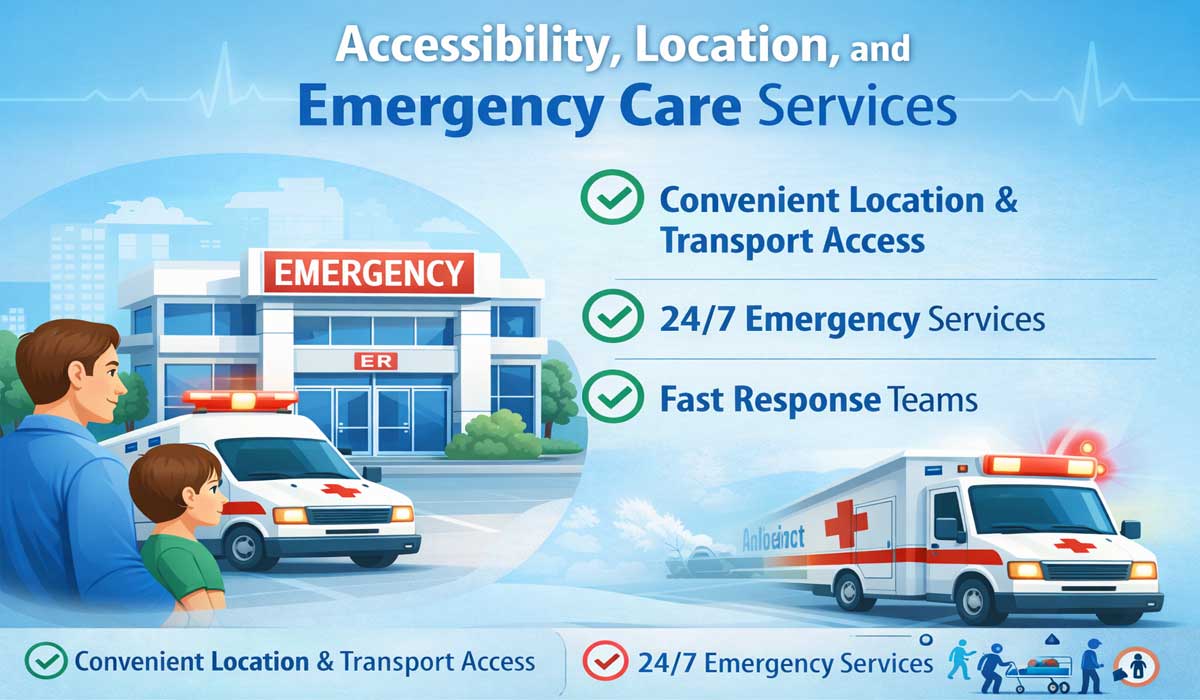
Accessibility is a critical factor when choosing a medical center, especially during emergencies. A facility located close to residential areas or with easy transportation access can save valuable time in urgent situations. Additionally, hospitals with clear signage and well-organized departments enhance patient experience and reduce stress during visits. Including parking availability and online appointment systems also improves accessibility especially for elderly patients and families with young children requiring frequent visits to healthcare facilities daily.
Emergency care services should be available 24/7 in any reliable medical center. Quick response teams, ambulance services, and well-equipped emergency rooms are essential for handling critical situations. The efficiency of these services can significantly influence survival rates and overall patient outcomes in life-threatening conditions. These services should be supported by trained emergency physicians and advanced life-support equipment ensuring rapid stabilization of patients before admission which is critical in trauma cases and emergencies overall outcomes.
Patient Experience, Cost, and Long-Term Care Planning
Patient experience plays a vital role in determining the quality of a medical center. Friendly staff, clear communication, and comfortable facilities contribute to a positive healing environment. Hospitals that prioritize patient-centered care often see higher satisfaction rates and better adherence to treatment plans. Clean environments and minimal waiting times also contribute significantly to overall satisfaction making patients feel respected and cared for throughout their healthcare journey from admission to discharge consistently experience overall.
Cost and long-term care planning are also essential considerations for families. Transparent pricing, insurance coverage options, and financial assistance programs can make healthcare more accessible. Additionally, choosing a center that offers follow-up care and chronic disease management helps ensure continuity of care for long-term well-being. Families benefit from proactive planning and coordinated care strategies across different stages of life which helps reduce complications and unnecessary hospital visits over time for better health outcomes long term.