Skincare has become one of the most discussed topics in modern lifestyle, especially with the rise of social media influencers and beauty trends.
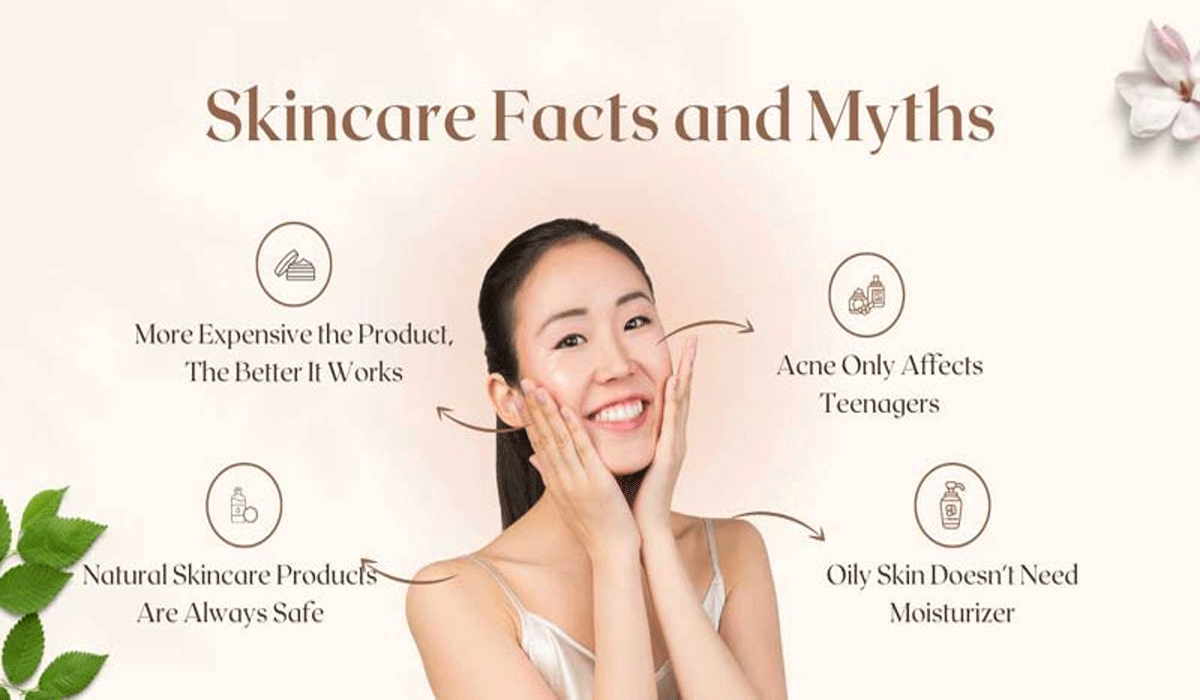
However, not all information circulating online is accurate or scientifically proven. Many people often follow skincare advice without understanding whether it is a myth or a fact. This Physically And Mentally Healthy has led to confusion, skin problems, and wasted money on ineffective products. Understanding the truth behind skincare myths and facts is essential to achieving healthy, glowing skin safely today.
The Rise of Skincare Myths in the Digital Era
In the digital era, skincare information spreads rapidly through social media platforms, beauty blogs, and online forums. While this accessibility helps people learn more about skin health, it also allows misinformation to circulate easily. Many viral skincare tips are not backed by dermatologists or scientific research, yet they gain popularity quickly due to trends and influencer endorsements.
This phenomenon has created a situation where consumers often struggle to distinguish between fact and fiction. As a result, many people adopt skincare routines that may not suit their skin type, leading to irritation or long-term damage. Without proper education, myths continue to thrive and influence purchasing decisions in the beauty industry worldwide at a rapid pace online.
Common Skincare Myths That Mislead Many People
Common myths about skincare include beliefs that expensive products always work better, or that natural ingredients are always safe for all skin types. In reality, effectiveness depends on formulation and individual skin conditions. Another myth is that washing your face more frequently guarantees clearer skin, which can actually strip away natural oils and harm the skin barrier.
Many people also believe that skincare products can deliver instant results, but dermatological improvements usually take time and consistency. There is also a misconception that sunscreen is only necessary on sunny days, while UV rays can still damage skin even when it is cloudy. These myths often lead to poor skincare habits that affect long-term skin health and appearance overall significantly in many cases.
Read Also: The Secret Benefits of Supplements Most People Overlook
Scientific Facts Behind Effective Skincare Practices
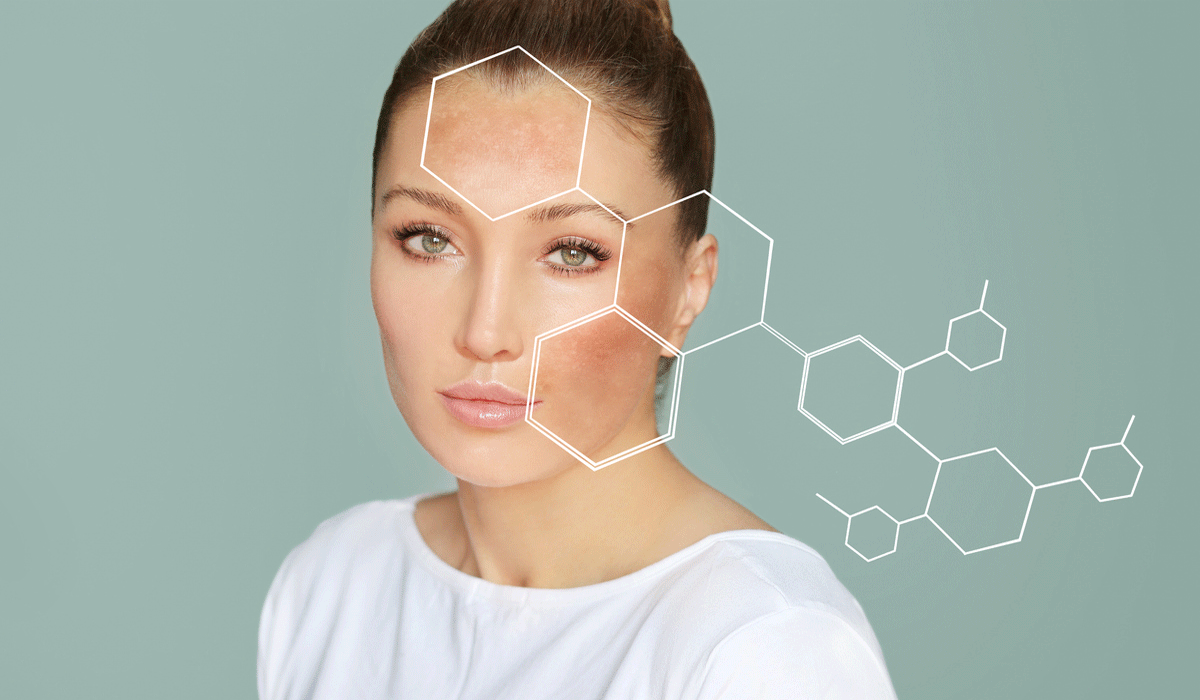
Scientific research shows that consistent skincare routines based on skin type are more effective than following trends. Ingredients such as retinoids, hyaluronic acid, and niacinamide have been proven to improve skin texture, hydration, and overall health. Dermatologists emphasize the importance of understanding ingredient functions rather than relying on marketing claims or viral beauty trends online.
Another scientific fact is that skin barrier protection is essential. Cleansing, moisturizing, and applying sunscreen are the three fundamental steps recommended by experts. Regular use of sunscreen helps prevent premature aging and reduces the risk of skin cancer. Proper hydration and balanced nutrition also contribute significantly to healthy skin from within which is supported by numerous clinical dermatology studies worldwide and peer-reviewed research evidence consistently.
How to Choose the Right Skincare Without Falling for Myths
Choosing the right skincare requires understanding your skin type, concerns, and ingredient compatibility. Instead of following trends blindly, it is important to read product labels and consult dermatologists when necessary. Patch testing new products can help prevent adverse reactions. A personalized skincare routine is always more effective than one-size-fits-all solutions promoted online. Consistency is key for visible long-term results achieved.
Consumers should also be cautious of exaggerated claims such as “instant whitening” or “miracle anti-aging effects.” True skincare results require patience and consistency. Seeking advice from certified dermatologists or trusted scientific sources can help avoid misinformation. Educating oneself about skincare ingredients empowers better decisions and healthier skin outcomes in the long run which ultimately supports long-term skin health and confidence for people of all ages and skin types.
Conclusion
Skincare myths can easily mislead consumers, but understanding the difference between myth and fact is essential for maintaining healthy skin. With the abundance of information available online, individuals must be more critical and selective in trusting skincare advice. Scientific knowledge and professional guidance remain the most reliable sources.