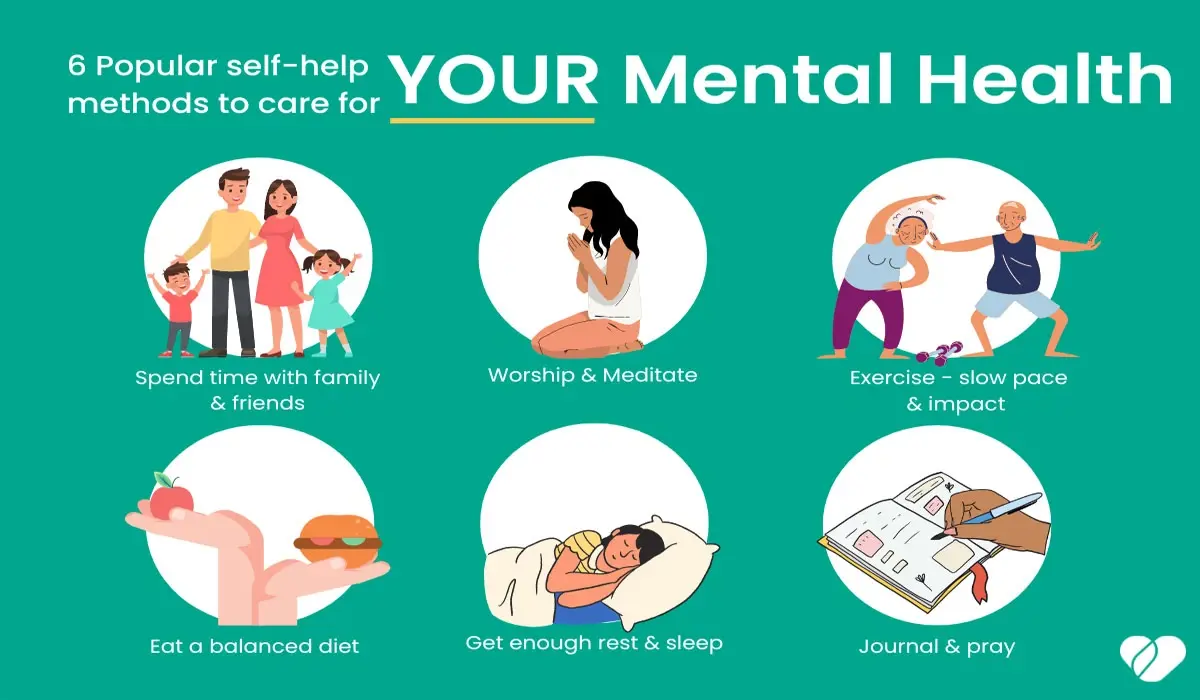
Proper health care can prevent disease, increase endurance, and maintain optimal physical and mental balance.
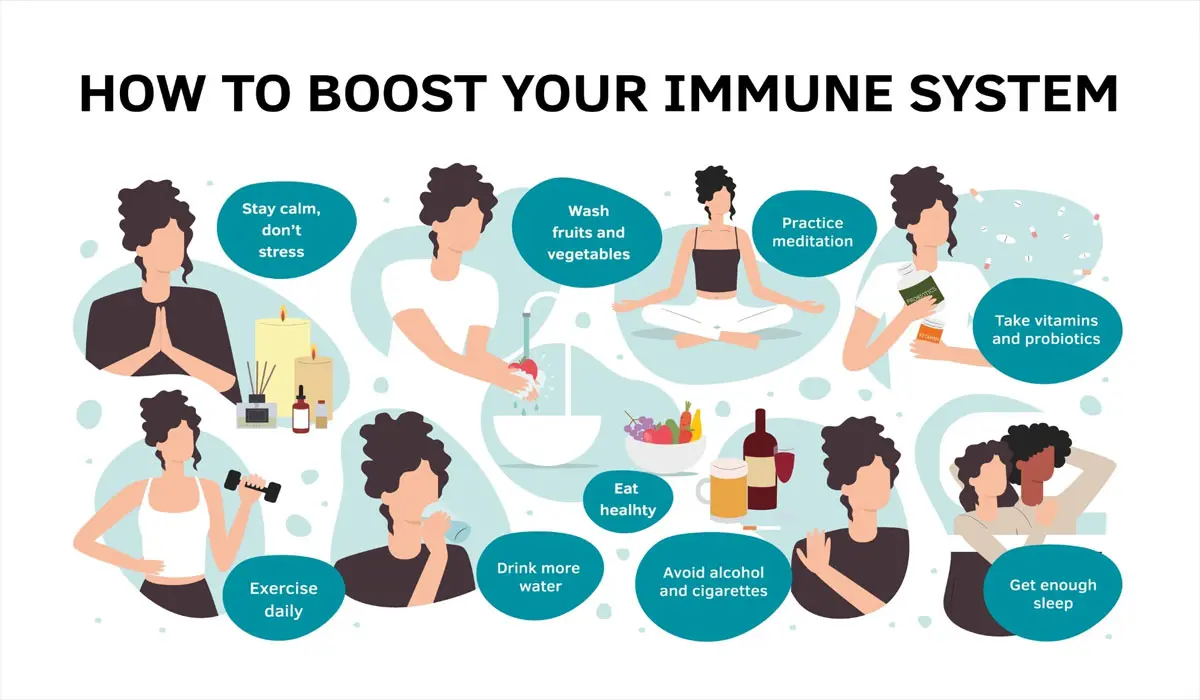
Amidst the rapid changes in modern lifestyles, maintaining a strong immune system is increasingly important to stay healthy and productive in our daily activities. Therefore Physically And Mentally Healthy, maintaining a healthy lifestyle is an important step towards long-term health.
Balanced Diet as a Foundation
A balanced diet is the main foundation for maintaining and improving the immune system. The body requires various nutrients such as protein, vitamins, minerals, and antioxidants to function optimally against infections and diseases. Deficiencies in certain nutrients can make the body more susceptible to viruses and bacteria.
Eating nutritious foods such as fruits, green vegetables, fish, eggs, and nuts is highly recommended. These foods contain important substances like vitamin C, vitamin E, and zinc, which play a major role in strengthening the immune system. Furthermore, reducing processed foods, foods high in sugar, and saturated fats also helps maintain a balanced diet.
Regular eating habits are also important. Setting a meal schedule and not skipping meals helps maintain a stable metabolism. This way, the immune system can work more effectively in protecting the body from disease.
Physical Activity and Regular Exercise
Regular exercise plays an important role in boosting the body’s immunity. Physical activity helps improve blood circulation, allowing immune cells to work more efficiently in fighting infections. Furthermore, exercise also helps reduce inflammation in the body.
You don’t need to engage in strenuous exercise; simple activities like walking, cycling, yoga, or light gymnastics are sufficient to maintain physical fitness. The most important thing is to do them consistently, at least 30 minutes per day or 3-5 times a week.
In addition to increasing endurance, exercise also helps maintain an ideal body weight and improves heart health. This indirectly supports a strong and balanced immune system in the long term.
Also Read: Supplements That Really Boost Your Energy And Health
Adequate Rest and Stress Management
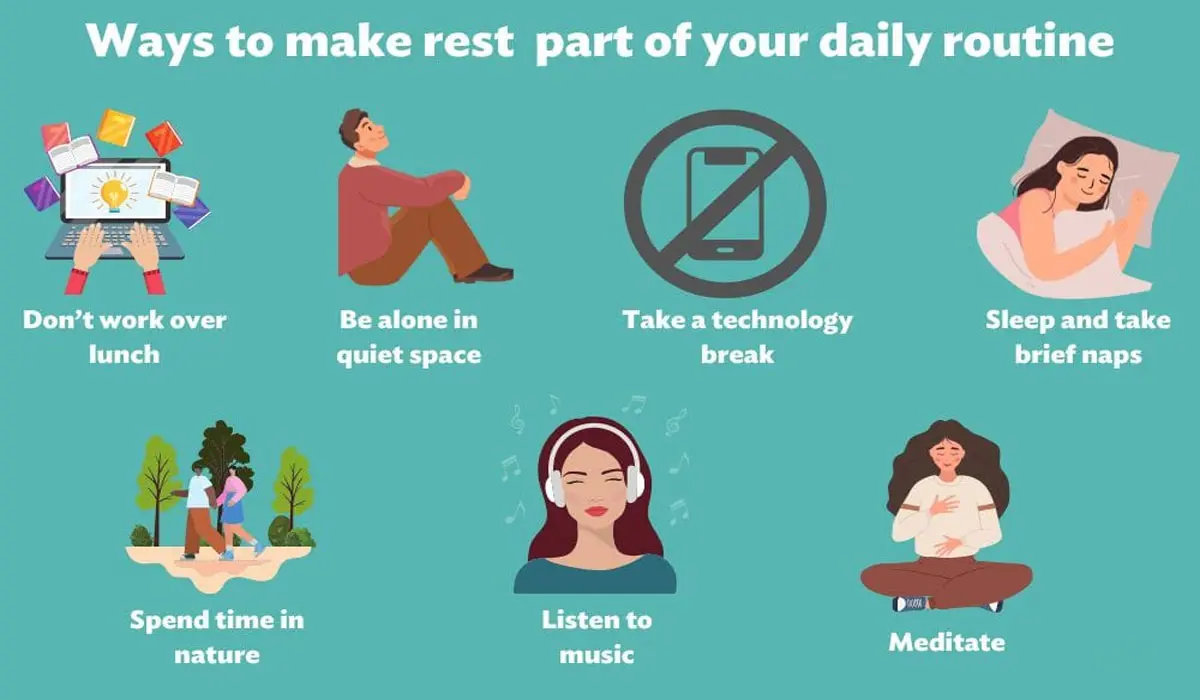
Adequate sleep is an important factor in maintaining the immune system. During sleep, the body regenerates cells and repairs damaged tissue. Lack of sleep can reduce immune cell production, making the body more susceptible to disease.
Ideally, adults need around 7-9 hours of sleep each night. Besides duration, sleep quality is also crucial. Avoiding gadget use before bed and creating a comfortable sleep environment can help improve the quality of your rest.
Besides sleep, stress management also plays a major role in maintaining immunity. Prolonged stress can increase cortisol levels, which weakens the immune system. Therefore, it’s important to engage in relaxation activities such as meditation, listening to music, or engaging in enjoyable hobbies.
Maintaining Hygiene and a Healthy Lifestyle
Maintaining personal hygiene is a simple yet highly effective way to prevent disease from entering the body. Habits such as washing hands with soap, bathing regularly, and maintaining a clean environment can reduce the risk of infection.
Besides hygiene, a healthy lifestyle also includes avoiding bad habits such as smoking and excessive alcohol consumption. Both of these habits can weaken the immune system and increase the risk of various chronic diseases in the long term.
Drinking enough water should also not be neglected. Water helps the body detoxify and maintains optimal organ function. With a combination of hygiene and a healthy lifestyle, the immune system can be better maintained.
A Healthy Lifestyle Boosts Immunity
A healthy lifestyle is the foundation for maintaining a strong and optimally functioning immune system. The immune system acts as a natural defense, protecting the body from various viruses, bacteria, and other diseases. Thank you for taking the time to explore interesting information about healthcare at Physically And Mentally Healthy, We look forward to sharing more information.
Image Information Source:
First Image: performancehealth.com
Second Image: rogersbh.org